
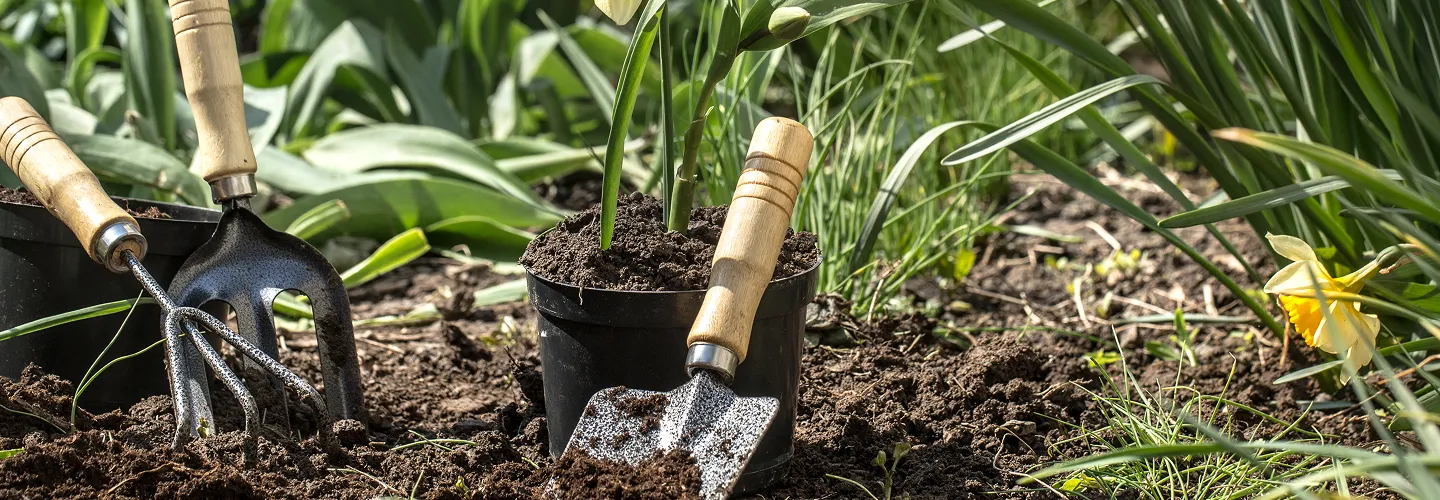
Fish Hawk Plant Removal Services
Choose our plant removal services for safe, thorough, and environmentally responsible solutions that restore your landscape’s beauty while protecting your property from unwanted growth.
Get a Free QuoteOur Fish Hawk Landscaping & Yard Care Services
When to Schedule Plant Removal in Fish Hawk, Florida – Seasonal Guide
In Fish Hawk, Florida, the timing of plant removal is crucial for maintaining healthy landscapes and ensuring long-term curb appeal. The region’s subtropical climate, characterized by hot, humid summers and mild winters, means that the best periods for plant removal are typically late winter through early spring, before the onset of the rainy season. This window allows for easier root extraction and minimizes stress on surrounding vegetation. Neighborhoods like FishHawk Ranch and Starling at FishHawk often experience dense shade coverage and variable soil types, making it important to assess each property’s unique conditions.
Local environmental factors such as the last frost date (usually in early February), periods of drought risk, and the prevalence of sandy soils all play a role in determining the optimal removal schedule. Additionally, municipal guidelines and HOA restrictions may impact when and how plant removal can be performed. For more information on local regulations, visit the official town website.
Local Factors to Consider for Plant Removal in Fish Hawk
- Tree and shrub density in neighborhoods like Bridgeview and Chapman Crossing
- Terrain slope and drainage patterns, especially near Lithia Springs Park
- Seasonal precipitation and risk of heavy summer storms
- Municipal or HOA restrictions on removal timing and debris disposal
- Soil composition (sandy vs. clay) and its effect on root systems
- Shade coverage from mature oaks and pines
- Proximity to protected wetlands or conservation areas
Benefits of Plant Removal in Fish Hawk
Enhanced Curb Appeal
Improved Plant Health
Reduced Pest Infestation
Increased Usable Space
Professional and Efficient Service
Eco-Friendly Disposal Methods
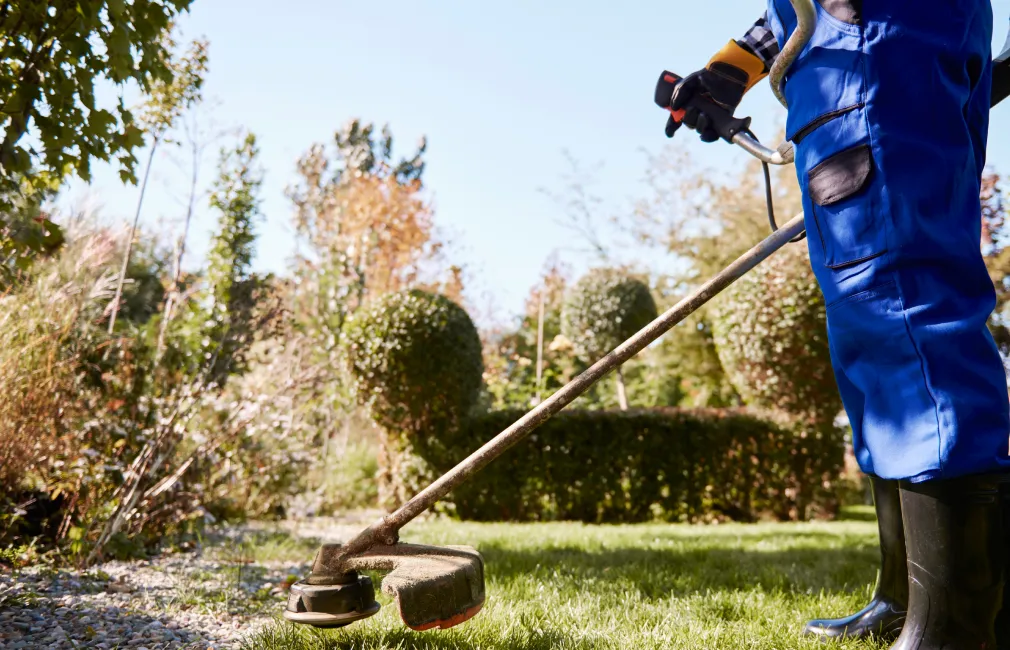
Fish Hawk Plant Removal Types

Invasive Species Removal
-
Tree and Shrub Extraction
-
Stump Grinding and Removal
-
Root System Elimination
-
Overgrown Vegetation Clearing
-
Weed Control Services
-
Landscape Bed Cleanouts
Our Plant Removal Process
Site Evaluation
Preparation and Safety Measures
Plant Extraction
Debris Removal
Site Restoration
Why Choose Fish Hawk Landscape Services
-
Fish Hawk Homeowners Trust Us
-
Expert Lawn Maintenance
-
Reliable Scheduling
-
Competitive Pricing
-
Professional Team
-
Satisfaction Guarantee
-
Personalized Service
Coordinating Plant Removal with Fish Hawk’s Public Works and Drainage Systems
Plant removal in Fish Hawk, FL, requires careful coordination with municipal services to ensure that vegetative debris does not obstruct drainage infrastructure or contribute to stormwater pollution. Residents and property managers must follow local procedures for the collection and disposal of removed plant material, especially when working near swales, storm drains, or canal edges. The Hillsborough County Public Works Department oversees the management of stormwater systems and right-of-way maintenance, and improper disposal of plant debris can result in blockages that increase flood risk during the wet season. Key steps include:
- Bundling or containerizing plant debris according to county guidelines for scheduled pickup
- Keeping all roots, stems, and soil clumps away from curb inlets and swale channels
- Scheduling removal activities to avoid heavy rainfall periods, reducing the risk of runoff
Hillsborough County FL Public Works
601 E. Kennedy Blvd, Tampa, FL 33602
Official Website: Hillsborough County FL Public Works
How Fish Hawk’s Central Florida Conditions Shape Plant Removal Practices
Fish Hawk is situated in the Central Florida / Inland Peninsula region, characterized by a humid subtropical climate, pronounced wet and dry seasons, and predominantly sandy or fill-based soils. These local conditions directly affect plant removal operations:
- The wet season, typically from June through September, brings intense rainfall that can rapidly transport loose soil and plant debris into stormwater systems if not managed properly
- Sandy soils, common in Fish Hawk subdivisions, are prone to erosion and nutrient leaching after root-zone disturbance, making post-removal site stabilization essential
- High humidity and warm temperatures promote rapid regrowth of invasive or nuisance vegetation, requiring timely follow-up after initial removal
Understanding these factors helps property owners plan removal activities to minimize environmental impact and maintain site stability. For more on local soils, consult the USDA Web Soil Survey, and for climate context, see the USDA Plant Hardiness Zone Map.
Regulatory Requirements and Environmental Compliance for Plant Removal in Fish Hawk
Plant removal in Fish Hawk is subject to a combination of county codes, environmental regulations, and stormwater protection requirements. While routine removal of ornamental plants on private property may not require a permit, activities that disturb large areas, impact drainage, or occur near water bodies may trigger review by municipal or county authorities. Key compliance considerations include:
- Avoiding discharge of soil, roots, or debris into storm drains, canals, or retention ponds, as regulated under the Florida DEP NPDES Stormwater Program
- Ensuring that any herbicide or pesticide use for invasive plant control is performed by a licensed applicator, as required by FDACS Pesticide Applicator Certification and Licensing
- Verifying with Hillsborough County Development Services if the scope of removal may require a permit, especially for projects affecting site grading or drainage
Hillsborough County FL Development Services
601 E. Kennedy Blvd, Tampa, FL 33602
Official Website: Hillsborough County FL Development Services
Professional Methods and Timing for Responsible Plant Removal in Fish Hawk
Effective plant removal in Fish Hawk involves more than simply extracting vegetation; it requires attention to timing, technique, and site restoration to protect both property and the environment. Professional standards in Central Florida emphasize:
- Scheduling removal outside of peak wet season to reduce erosion and runoff risk
- Using manual or mechanical extraction methods that minimize soil disturbance, especially in sandy or fill-based soils
- Stabilizing exposed soil immediately after removal with mulch, groundcover, or erosion-control materials
- Disposing of all plant debris through approved municipal collection or transfer stations, never dumping in natural areas or drainage corridors
For additional guidance on protecting water resources during landscape work, refer to UF/IFAS Gardening Solutions - Protecting Florida’s Water Resources and the EPA Stormwater Discharges from Municipal Sources.
FishHawk Ranch FL Community Development District
5906 Village Center Dr, Lithia, FL 33547
Official Website: FishHawk Ranch FL Community Development District
What Neighborhoods Do We Serve Throughout Fish Hawk, FL?
- FishHawk Ranch: Features extensive greenways, ponds, and HOA-managed landscapes requiring careful debris handling and drainage protection.
- Starling at FishHawk: Newer subdivision with fill-based lots and active irrigation systems, where soil stabilization after removal is critical.
- Bridgeview: Includes mature tree canopies and shaded lots, often adjacent to swales and stormwater basins.
- Osprey Ridge: Characterized by larger lots and proximity to natural preserves, increasing the importance of invasive species management.
- FishHawk Trails: Gated community with wooded buffers and private drainage easements, requiring adherence to HOA and environmental guidelines.
- Hawk Park: Community park area with public access and stormwater features, where plant removal must coordinate with municipal maintenance schedules.
- Encore at FishHawk Ranch: Active adult neighborhood with smaller lots and managed landscaping, emphasizing efficient debris collection and minimal disruption.