
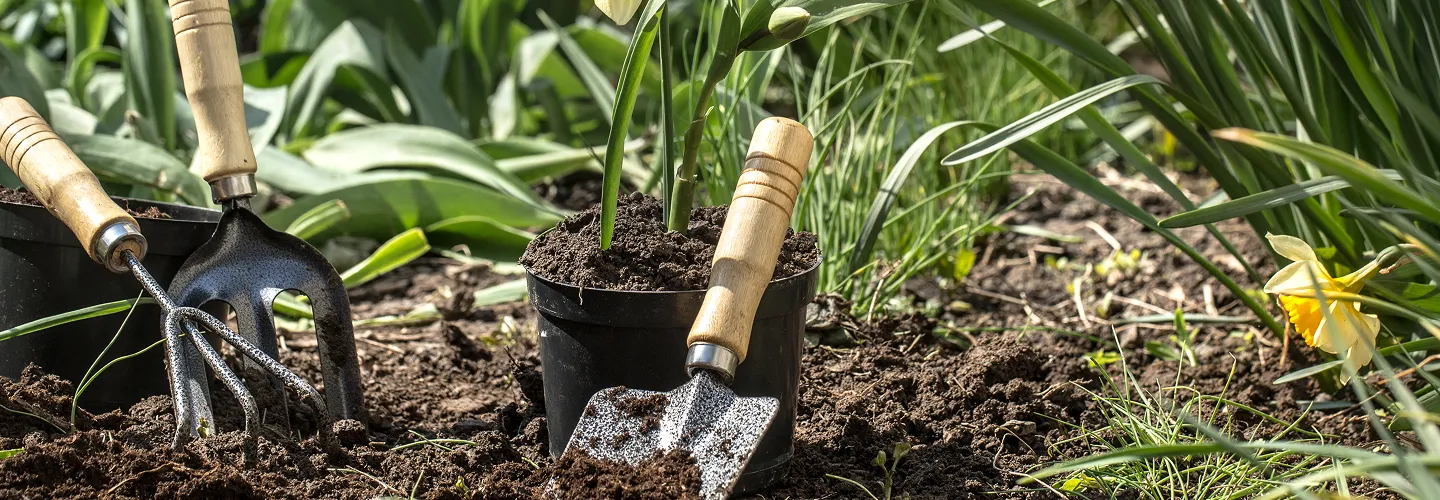
Fish Hawk Weeding Services
Choose our expert weeding services for a healthier, more vibrant landscape—our team ensures your garden stays weed-free, letting your plants thrive and your yard look its best all season long.
Get a Free QuoteOur Fish Hawk Landscaping & Yard Care Services
When to Schedule Weeding in Fish Hawk, Florida – Seasonal Guide
In Fish Hawk, Florida, the timing of weeding is crucial for maintaining healthy, attractive landscapes throughout the year. Thanks to our subtropical climate, weeds can thrive nearly year-round, but the most effective weeding schedules are tailored to local weather patterns and environmental conditions. Early spring and late fall are generally optimal, as these periods align with moderate temperatures and increased soil moisture, making weed removal easier and more effective. Neighborhoods like FishHawk Ranch and Starling at FishHawk often experience dense shade and varying soil types, which can influence weed growth and the best times for intervention.
Local factors such as the last frost date—typically in late January—signal when to begin spring weeding, while the onset of summer rains in June can accelerate weed growth, requiring more frequent attention. Areas near the Alafia River or Lithia Springs may face higher humidity and unique soil compositions, impacting both weed types and removal strategies. For more information on local environmental guidelines, visit the Town of Sudbury’s resource page.
Local Factors to Consider for Weeding in Fish Hawk
- Tree density and shade coverage in neighborhoods like FishHawk Ranch
- Soil type variations, especially near riverbanks and conservation areas
- Seasonal precipitation patterns and drought risk
- Municipal restrictions or HOA guidelines on herbicide use
- Terrain and slope, which affect water runoff and weed proliferation
Benefits of Weeding in Fish Hawk
Enhanced Curb Appeal
Healthier Plant Growth
Reduced Pest Infestation
Improved Soil Quality
Professional and Reliable Service
Time and Effort Savings
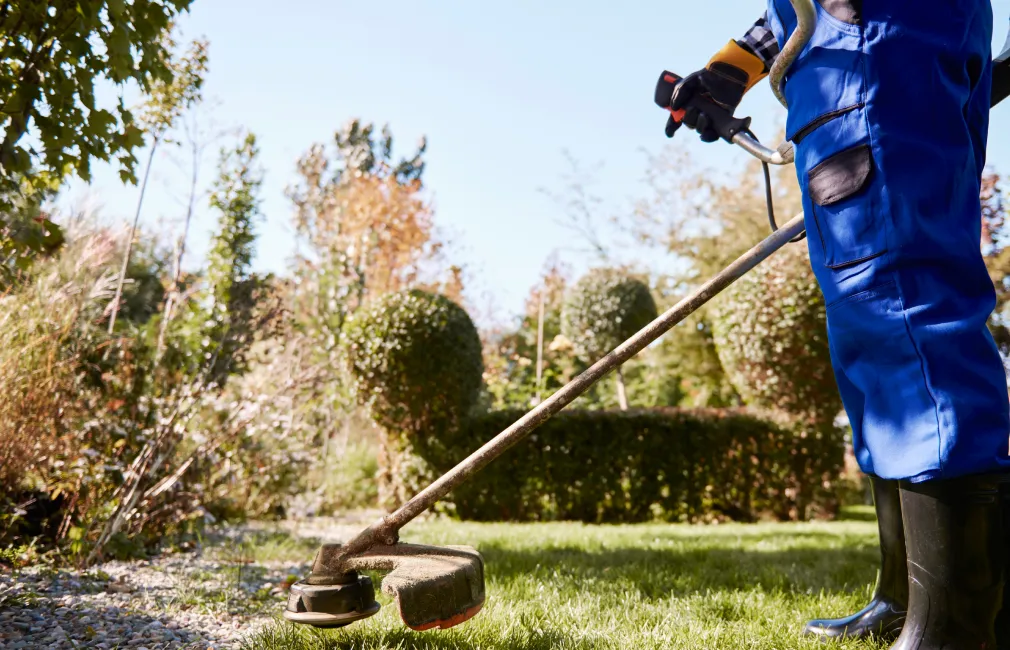
Fish Hawk Weeding Types

Hand Weeding
-
Mechanical Weeding
-
Mulching for Weed Control
-
Pre-Emergent Herbicide Application
-
Post-Emergent Herbicide Application
-
Flame Weeding
-
Soil Solarization
Our Weeding Process
Site Evaluation
Weed Identification
Targeted Removal
Soil Treatment
Final Inspection
Why Choose Fish Hawk Landscape Services
-
Fish Hawk Homeowners Trust Us
-
Expert Lawn Maintenance
-
Reliable Scheduling
-
Competitive Pricing
-
Professional Team
-
Satisfaction Guarantee
-
Personalized Service
Coordinating Weeding Activities with Fish Hawk’s Public Works and Stormwater Systems
Effective weeding in Fish Hawk, FL requires close attention to municipal procedures for yard waste disposal and stormwater protection. Residents and property managers must ensure that all vegetative debris, including pulled weeds, is properly contained and not left in swales, curb inlets, or near storm drains. The Hillsborough County Public Works Department oversees the management of stormwater infrastructure and right-of-way maintenance, which includes guidance on keeping debris out of drainage systems to prevent blockages and localized flooding. For larger weeding projects or when disposing of significant green waste, it is essential to follow the county’s yard waste collection protocols, which may include bundling or containerization requirements. Always verify current collection schedules and disposal rules with the department to avoid inadvertent violations and to support the health of local waterways.
Hillsborough County FL Public Works
601 E. Kennedy Blvd., Tampa, FL 33602
Phone: 813-635-5400
Official Website: Hillsborough County FL Public Works
How Fish Hawk’s Central Florida Climate and Soils Shape Weeding Needs
Fish Hawk is situated in Central Florida’s inland peninsula, characterized by a humid subtropical climate, pronounced wet and dry seasons, and predominantly sandy or fill-based soils. These local conditions directly influence weed growth and management:
- The region’s extended wet season, typically from June through September, triggers rapid weed flushes, especially in mulched beds and along hardscape edges.
- Sandy soils, common in Fish Hawk subdivisions, drain quickly but are prone to nutrient leaching, which can favor opportunistic weed species that thrive in disturbed or low-fertility areas.
- High humidity and frequent rainfall increase the risk of weed seed germination and can complicate chemical control by promoting runoff into nearby swales, ponds, and storm drains.
Understanding these factors helps residents time weeding activities before seed set and select removal methods that minimize soil disturbance and runoff risk. For more on local soil profiles, consult the USDA Web Soil Survey and for climate adaptation, refer to the USDA Plant Hardiness Zone Map.
Regulatory Considerations for Weeding and Vegetative Debris in Fish Hawk
Weeding activities in Fish Hawk are subject to both municipal and state-level regulations designed to protect water quality and maintain neighborhood standards. The use of chemical weed control products is regulated under Chapter 487 of the Florida Statutes, which requires proper licensing for certain pesticide applications. Additionally, the Florida DEP NPDES Stormwater Program mandates that all yard waste, including weeds, be kept out of storm drains and water bodies to prevent nutrient pollution and blockages. Residents should also be aware of local code enforcement related to overgrown vegetation and debris accumulation, which may be managed by the Community Development District or county code compliance staff. For questions about development or code requirements, contact the county’s development services office.
Hillsborough County FL Development Services
601 E. Kennedy Blvd., Tampa, FL 33602
Phone: 813-272-5600
Official Website: Hillsborough County FL Development Services
Professional Weeding Methods, Timing, and Environmental Standards in Fish Hawk
Professional weeding in Fish Hawk should be scheduled and executed with attention to both environmental conditions and regulatory standards. Key considerations include:
- Prioritize hand removal or mechanical extraction of weeds before they set seed, especially after heavy rainfall or irrigation cycles.
- Avoid chemical herbicide applications during or immediately before forecasted rain to reduce the risk of runoff into stormwater systems; always follow FDACS pesticide licensing requirements for any restricted-use products.
- Maintain a buffer zone around swales, ponds, and storm drains, using physical removal methods in these sensitive areas to protect water quality.
- Schedule routine weeding during the early morning or late afternoon to minimize heat stress for workers and reduce volatilization of any approved herbicides.
For additional guidance on environmentally responsible weeding and landscape maintenance, see UF/IFAS Gardening Solutions - Lawns and EPA WaterSense Outdoors.
FishHawk Ranch FL Community Development District
5906 Village Center Dr., Lithia, FL 33547
Official Website: FishHawk Ranch FL Community Development District
What Neighborhoods Do We Serve Throughout Fish Hawk, FL?
- FishHawk Ranch This master-planned community features extensive greenways, ponds, and HOA-managed common areas that require careful weeding to protect drainage and preserve landscape aesthetics.
- Starling at FishHawk Known for its newer construction and fill-based lots, Starling presents unique challenges for weed management due to rapid soil settlement and high irrigation use.
- Bridgeview With mature shade trees and proximity to natural preserves, Bridgeview’s lots often experience weed pressure in both sun and deep shade conditions.
- Osprey Ridge This area’s adjacency to wetlands and stormwater retention ponds necessitates extra caution to prevent weed debris from entering sensitive water features.
- FishHawk Trails Larger lots and wooded buffers in FishHawk Trails require tailored weeding approaches to manage both native and invasive species along property edges.
- Hawk Park Community park spaces and trail corridors in Hawk Park demand regular weeding to maintain safe, accessible pathways and protect stormwater infrastructure.